August 10, 2026
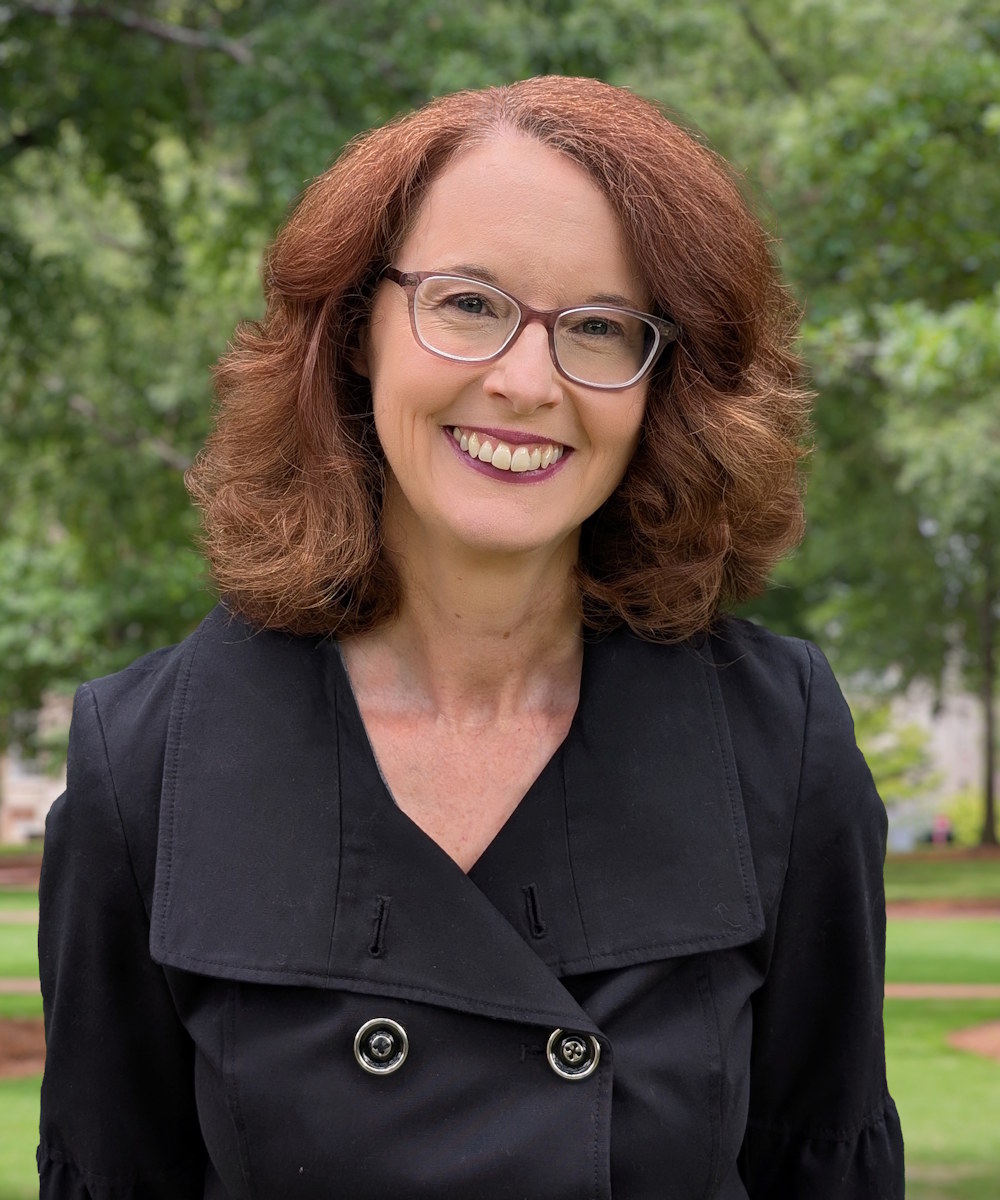
Brie Turner-McGrievy recently marked 15 years at the Arnold School, and now she’s officially stepping into a new role leading the Department of Health Promotion, Education, and Behavior (HPEB) after serving as interim chair for the past year. A registered dietitian, Turner-McGrievy joined USC directly after completing a postdoctoral fellowship at the University of North Carolina’s Interdisciplinary Obesity Center. She holds a Ph.D. in Nutrition from UNC Chapel Hill and an M.S. in Human Environmental Science from the University of Alabama.
Turner-McGrievy is a recognized leader in behavioral interventions, often employing clinical research trials focused on dietary patterns. She has supported this work through more than $13 million in National Institutes of Health funding and disseminated her team’s findings in over 185 peer-reviewed publications. Turner-McGrievy is the recipient of the Society of Behavioral Medicine’s Early Career Research Mentorship Award, Arnold School Faculty Research Award, USC Breakthrough Star Award, USC Distinguished Undergraduate Research Mentor Award, and USC Educational Foundation Research Award for Health Sciences.
As the department and school look forward to this new era, we asked Turner-McGrievy
about her plans and perspective for the role.
What have you learned about the department during your time as a faculty member and then as interim chair, and how have those experiences influenced your priorities moving forward?
As a faculty member, I came to appreciate the department’s strong sense of community,
its commitment to students and the breadth of its scholarship. Serving as interim
chair gave me a fuller view of the planning, communication, and support needed to
help that community succeed. Moving forward, my priorities are to strengthen our national
visibility, support collaborative research and faculty and student development, align
our educational programs with emerging workforce needs, build stronger alumni connections,
and make our administrative processes more efficient.
Every leader brings their own style to a role. How would you describe your leadership philosophy, and what can faculty, staff and students expect from you as chair?
I describe my approach as quiet leadership. I try to lead through careful listening,
thoughtful action, transparency and a steady presence. I am also willing to say when
I do not know something and then find the answer. Faculty, staff, and students can
expect me to be accessible, collaborative and honest, to communicate clearly, and
to advocate strongly for the department.
Looking ahead three to five years, what would success for the department look like to you?
Success would mean that HPEB is even more widely recognized for high-impact research,
excellent teaching and meaningful community engagement. I would like to see more interdisciplinary
and multi-investigator projects within HPEB, stronger support and mentorship across
career stages and research collaborations that showcase the breadth of interest and
expertise within the department. I would also like to see curricula that reflect emerging
areas such as artificial intelligence and digital health, an engaged alumni network,
and systems that allow our faculty, staff, and students to spend more time on work
that advances public health.
What are some qualities you've admired in leaders you've worked with, and how have those experiences shaped the leader you aspire to be?
I have most admired leaders who listen well, remain calm during difficult moments,
communicate honestly and candidly, and focus on helping others succeed. I have also
benefited from leaders who were generous with their time and mentorship and who trusted
people to grow into new responsibilities. Those experiences have shaped my goal of
being a leader who is thoughtful, dependable, transparent, and willing to make difficult
decisions while keeping people and the department’s shared mission at the center.
We have some amazing leaders in the Arnold School!
Public health continues to face complex and rapidly evolving challenges. What opportunities do you see for the department to make an even greater impact in the years ahead?
The field of public health has faced a variety of challenges over the course of its
history, and our ability to solve problems and innovate has kept the field vibrant
and dynamic. Our greatest opportunity is to bring together our strengths in research,
teaching, and community engagement so that evidence moves beyond publication and improves
people’s lives. Today, HPEB is especially well positioned to connect behavioral science
with emerging tools and real-world implementation. We can lead work in areas such
as health communication, global health, women’s health, digital health and AI, Food
is Medicine, substance use and tobacco control, and the development and implementation
of equitable interventions that improve health across diverse populations and settings.
What excites you most about leading this department at this moment in its history?
One thing I've learned over my time in HPEB is we have a truly unique, supportive
community with amazing, talented people. I knew and felt that before, but it has been
especially apparent in my time as interim chair. I am excited by both the strength
of the department and the possibilities ahead. We have outstanding faculty, staff,
and students, a collaborative culture, and expertise that aligns with many of the
most important challenges in public health. It is energizing to think about how we
can build on that foundation together, increase our collective impact, and prepare
the next generation of public health leaders.
How do you enjoy spending your free time?
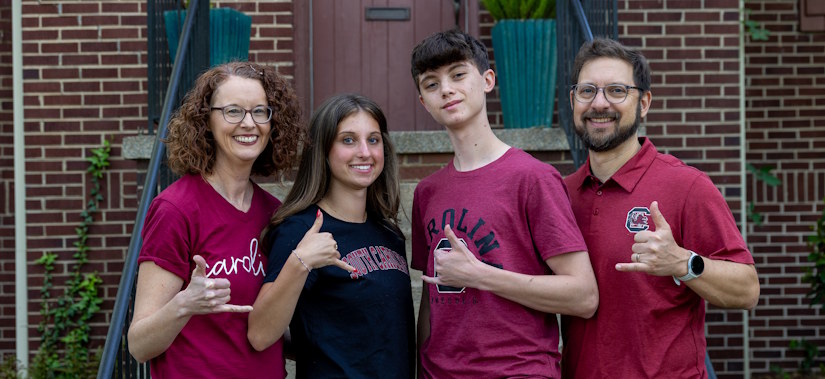
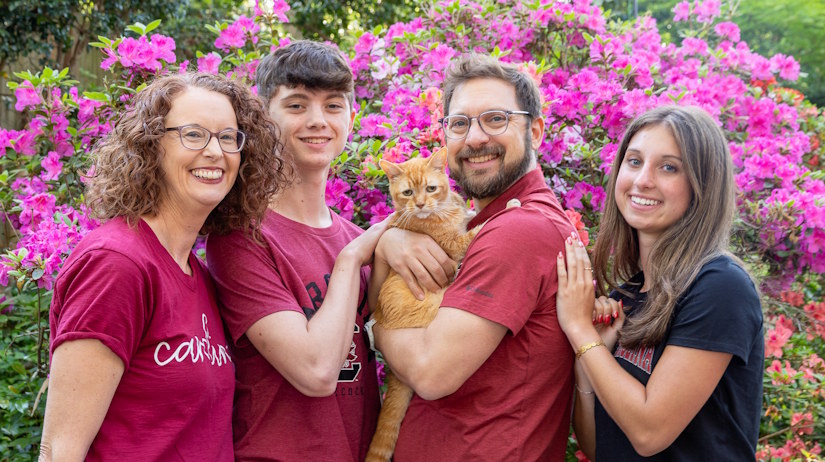
My twins are heading to college this fall, but they won’t be far. They’ll both be
attending USC. I expect how I spend my free time will change a bit with them moving
onto campus. We recently bought a camper and are looking forward to exploring South
Carolina’s many beautiful state parks this fall. I also plan to spend plenty of time
on our screened porch with our fat orange cat, Lasagna, who loves sitting outside
with us and being brushed.
You May Also Like
Brie Turner-McGrievy wins USC Educational Foundation Research Award for Health Sciences
New study helps participants lose weight through free, remote 12-month program
New NIH-funded study to add cultural relevance to U.S. dietary guidelines
Vegan soul food: Will it help fight heart disease, obesity?
A diet of health. Public health scientist focuses on effective diets that do more than drop pounds
Mohammed Baalousha (ENHS) and Brie Turner-McGrievy (HPEB) named 2018 Breakthrough Stars